
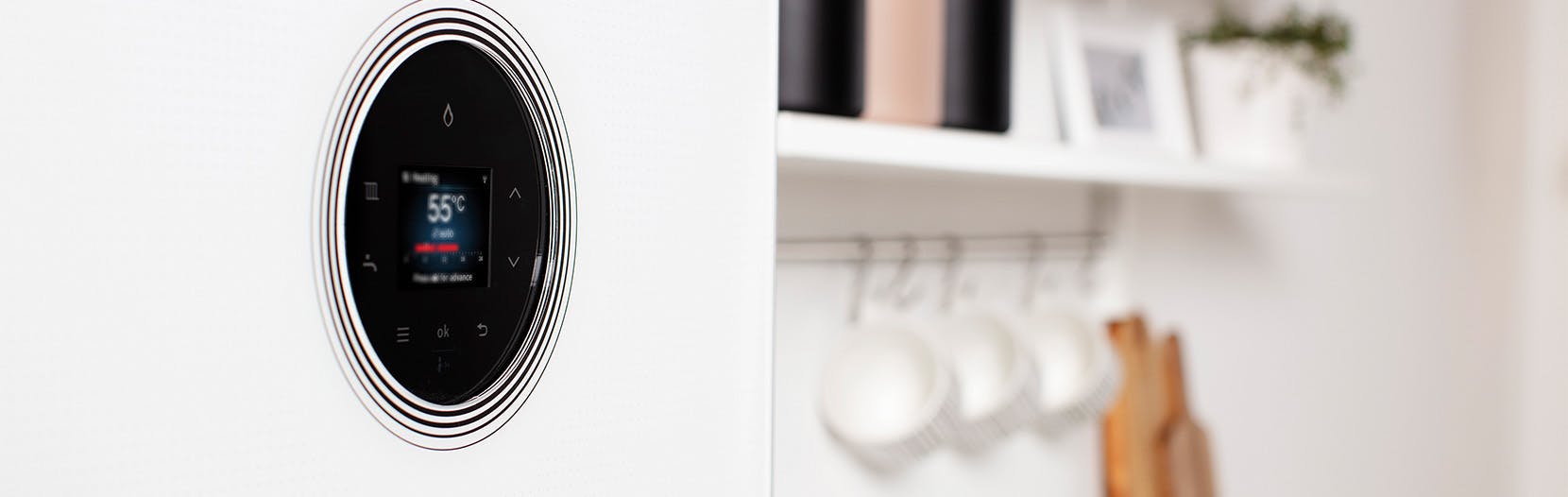
Having a new boiler installed should make your home warmer, safer, and more energy-efficient, helping you save on bills and enjoy greater comfort. To achieve this, a thorough survey and asking the right questions upfront are essential. This ensures you choose a skilled, Gas Safe registered installer who understands your home’s unique needs. Being well-prepared will help you avoid unexpected issues on installation day and give you confidence in your new heating system for years to come.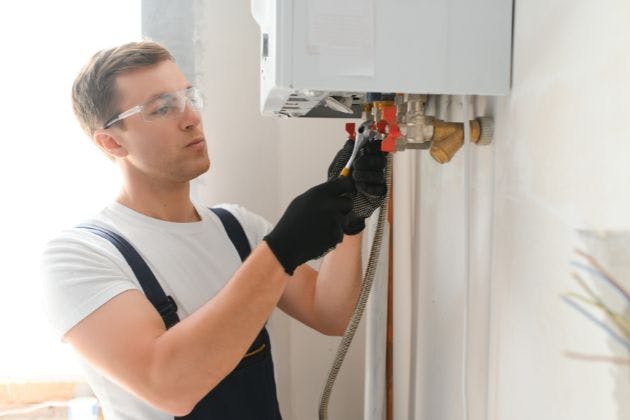
Key questions to ask your boiler installer at survey stage
Treat the survey as a two-way conversation. The installer will be assessing your system, but you are also assessing their approach and professionalism. The following questions will help you feel confident in their answers.
Checking Gas Safe registration and experience
Always confirm that the engineer who will carry out the work is Gas Safe registered, not just the company. Ask to see their Gas Safe ID card and make a note of their registration number so you can check it on the Gas Safe Register website.
It is also sensible to ask how long they have been installing boilers and whether they regularly work on properties similar to yours. This is especially useful if you live in an older home or have an unusual layout.
What is your Gas Safe registration number, and can I see your ID card?
Will you personally be installing the boiler, or someone else?
Do you have experience with systems like mine (age, type, size of home)?
Which boiler brands are you accredited or trained with?
Boiler sizing, flue and condensate questions
A professional installer will size the boiler based on your property, not just match the existing one. Ask how they calculate the correct output and whether they are considering heat loss, number of radiators, and bathrooms.
Discuss the flue route early, especially if your current flue runs through a roof or a chimney. Ask what options you have for the new flue location, how it will look outside, and how they will make good any holes.
Modern boilers also produce condensate that needs to drain away. Ask how the condensate pipe will be routed, how it will be protected from freezing, and whether it can be terminated internally where possible.
Controls, zoning and system protection
Heating controls make a big difference to comfort and efficiency. Ask what controls they recommend, whether your home can be split into zones, and how easy the controls will be to use day to day.
It is also important to be clear about system protection. Check exactly what is included, for example:
Will a magnetic system filter be fitted on the return pipe?
Will the system be cleaned or flushed, and what method will be used?
Is inhibitor chemical included and will it be added on completion?
Will limescale protection be added if you are in a hard water area?
Finally, ask who will register the boiler warranty and whether you will receive a completed Benchmark commissioning logbook and all compliance paperwork.
Information to have ready before your boiler survey
A little preparation helps the survey run smoothly and ensures the installer has everything they need to design the right system. Having the following details to hand will speed things up and lead to better recommendations.
Home layout, current boiler and hot water use
Be clear about the size of your property, including how many floors, approximate number of bedrooms and whether you have any extensions or loft conversions. Note how many bathrooms, en suites and cloakrooms you have, and whether more are planned.
Know your current boiler type and where it is located, for example a wall-hung combi in the kitchen, a system boiler in the airing cupboard, or a regular boiler with tanks in the loft. Mention any plans to move the boiler or free up space.
Explain how you use hot water, such as multiple showers at the same time or a large bath that needs quick filling. This helps the installer advise on the best type of boiler and hot water solution.
Comfort issues, radiators and smart controls
Make a list of any cold rooms, noisy radiators, or radiators that never seem to heat properly. Tell the installer about any parts of the house that get too hot or too cold, as this may guide zoning or radiator upgrades.
Think about whether you want smart controls, such as app control, learning thermostats, or smart TRVs on radiators. Let the installer know your preferences and how tech-savvy you feel so they can match the controls to what suits you.
What to expect on boiler installation day
Knowing the likely timeline can make installation day far less stressful. While every job is different, most boiler replacements follow a similar pattern.
Typical installation day timeline
In the morning, the engineer will arrive, protect floors where they will be working, and isolate the gas, water and electricity to the boiler. They will safely remove the old boiler, flue and any redundant components, and start adapting pipework.
By late morning or early afternoon, the new boiler is usually fixed to the wall, the flue installed, and pipework connections made. Any system cleaning or flushing is carried out either during or before this stage, depending on the method used.
Towards the end of the day, the system is filled, inhibitor added, and the boiler is commissioned. The engineer will check gas pressures, combustion, safety controls and set up the heating and hot water timings and temperatures to suit your home.
Finally, they should explain how to use your new controls, show you key features, and leave you with user manuals and commissioning paperwork.
How to minimise disruption at home
Before the engineer arrives, clear access to the boiler, airing cupboard, gas meter and main stop tap. Move fragile items away from work areas and consider covering nearby furniture or asking the installer what protection they will use.
Plan for a short time without heating and, in some cases, without water. Many homeowners choose to keep kettles, electric heaters or extra blankets handy just in case, especially in colder months.
If you work from home, ask which rooms will be most affected and whether there will be noisy stages so you can plan calls around them. If you have pets, think about how they will be kept safe and calm while doors may be open.
Safety, compliance and Building Regulations
Correct installation is about more than comfort. It is also about keeping your family safe and ensuring the work meets current regulations, including Building Regulations.
Ventilation, carbon monoxide and notifications
Ask your installer to explain the ventilation requirements for your new boiler and how they will ensure the flue is correctly sited and sealed. The flue must discharge safely and be accessible for inspection where possible.
Every home with a gas boiler should have at least one carbon monoxide alarm, fitted in the correct position according to the manufacturer’s instructions. Ask your installer where they recommend fitting alarms and whether they can supply and fit them.
Your Gas Safe registered installer should also notify Building Control of the new boiler installation. This is usually done online after the job, and you will receive a Building Regulations compliance certificate in the post. Ask how and when you will receive this, as you may need it if you sell your home.
Local considerations for Brackley and Northamptonshire homes
In Brackley and across Northamptonshire, there is a real mix of housing styles, from older stone cottages and village terraces to modern estates with combi systems. Older properties may need extra thought around flue routes, wall penetrations, and ensuring pipework is protected in loft spaces or unheated areas.
Newer homes often have more compact plant spaces and higher insulation levels, so correct boiler sizing and smart controls can make a noticeable difference to comfort and running costs. Let your installer know the age and type of your property so they can tailor their approach to local building styles.
Next steps: book your boiler survey
Taking the time to ask the right questions, gather key information and understand what will happen on installation day will help you feel in control of your boiler upgrade. A thorough survey sets the foundation for a safe, reliable and efficient heating system.
If you are ready to plan a new boiler, contact Elements Heating Installations on 01280473772 to book your survey. You can learn more on our boiler installation service page and see our qualifications and memberships on our accreditations section before we visit your home.