
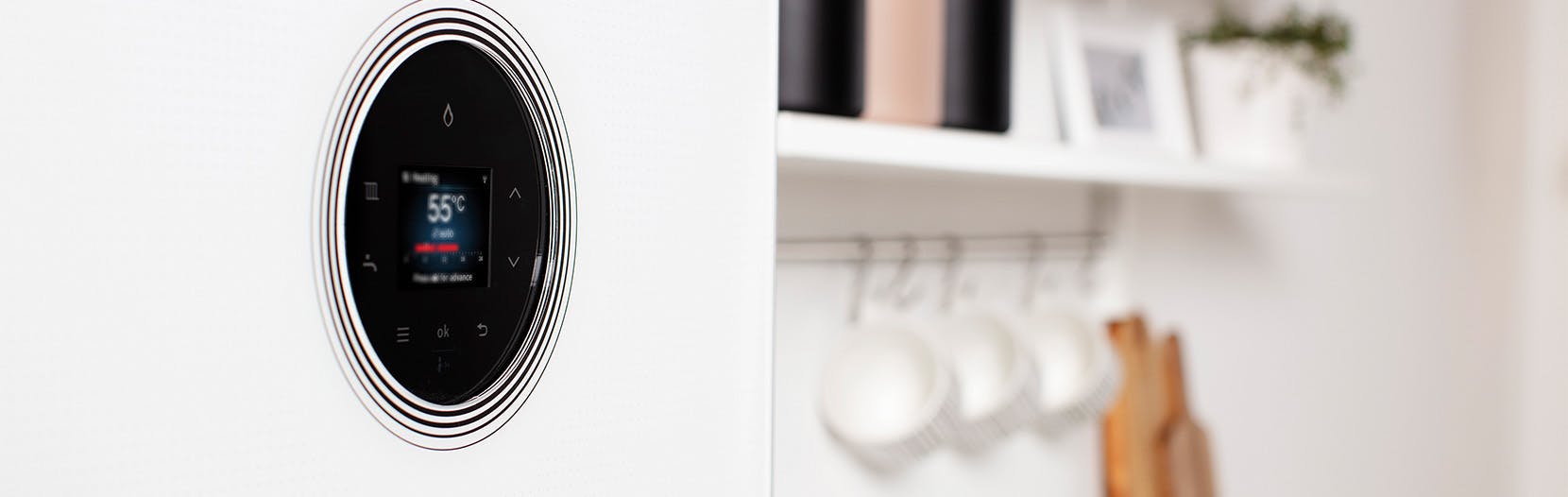
A boiler making a gurgling noise can be unsettling, especially when the sound starts suddenly or seems to come from inside the boiler casing. This bubbling or gurgling often signals that air or water isn’t flowing smoothly through your heating system. While it might be caused by something as simple as a trapped air pocket after radiator bleeding, it can also point to more complex circulation issues that need professional attention. For example, air trapped in the pipes can disrupt water flow, causing uneven heating, while sludge buildup or a faulty pump can restrict circulation, leading to persistent gurgling and reduced boiler efficiency.
Understanding these signs early helps prevent more serious problems and keeps your heating running smoothly.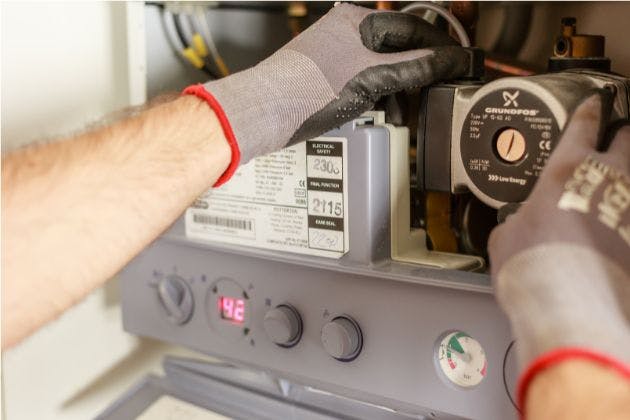
What a gurgling boiler sound can indicate
Gurgling is different from kettling, which tends to sound like rumbling or banging as water overheats around limescale and restricted heat transfer. It is also different from a boiler that is simply losing pressure, although low pressure can contribute to bubbling noises by allowing air into the system.
Air trapped in radiators or pipework is one of the most common explanations. Low system pressure, restricted water flow and a pump that is struggling to circulate water can create similar sounds. If the boiler repeatedly locks out, becomes noisy alongside other symptoms or shows an error code, the issue may be more serious than trapped air.
Common causes of bubbling and gurgling
Air after radiator work
Air can enter the heating circuit after radiators have been removed, replaced or bled. It may collect in high points around the system and produce a bubbling sound when the pump starts. A radiator that is cold at the top but warmer lower down can also suggest trapped air.
Low pressure or a circulation problem
Most sealed central heating systems operate at around 1 to 1.5 bar when cold, but you should check your boiler manual for the correct range. If the pressure is too low, the system may draw in air and struggle to circulate water evenly. A worn or noisy pump, partially closed radiator valves and a restriction in the pipework can have a similar effect.
Check the pressure gauge or display when the system is cool.
Listen for a harsh buzzing, humming or grinding noise near the pump.
Check that accessible radiator valves have not been turned partly or fully off.
Look for damp patches, staining or drips around visible pipes and radiators.
Sludge and poor heat transfer
Dark sludge can build up inside older radiator circuits and restrict the movement of water. A radiator that is cold at the bottom while warmer at the top is a useful clue, especially if several radiators heat unevenly. Sludge can make the boiler work harder and may contribute to bubbling, weak circulation and repeated heating problems.
In Northamptonshire, hard water and limescale can also affect heating performance, particularly in older properties with established radiator circuits. Limescale can reduce heat transfer inside the boiler, while sludge and deposits elsewhere in the system may make gurgling more noticeable. A heating engineer can assess whether cleaning, inhibitor treatment or a system flush is appropriate.
Safe checks you can carry out
Start by switching the heating off and allowing radiators to cool before checking them. If the pressure is low, only top up the system if you understand how your particular filling loop works and the manufacturer’s instructions allow it. Do not repeatedly refill a system without finding out where the water is going.
You can bleed radiators carefully using a radiator key, keeping a cloth underneath and opening the valve slowly. Stop when water appears, close the valve and recheck the boiler pressure afterwards. Bleeding will not solve a circulation fault, sludge problem or damaged pump, and you should never remove the boiler casing or attempt internal repairs.
Some gurgling comes from the condensate pipe, particularly if it is partially blocked or frozen in cold weather. This pipe usually runs from the boiler to an outside drain, and a blockage can cause the boiler to shut down or display an error. Do not dismantle it or pour boiling water over it, as a qualified engineer should confirm the safest remedy.
When to stop troubleshooting and call an engineer
Arrange a repair or diagnostic visit if the gurgling continues after safe checks, or if your radiators remain cold and the boiler cannot maintain normal pressure. Repeated lockouts, error codes and a pressure gauge that keeps falling point to a fault that requires professional testing.
Call a Gas Safe registered engineer promptly if water is coming from the outside copper pressure relief pipe, as this may indicate excessive pressure or a problem with the expansion vessel. If you smell gas, turn off the gas supply if it is safe to do so, avoid switches and naked flames, leave the property and contact the relevant emergency gas service. Never investigate a suspected gas leak yourself.
Get expert help with a noisy boiler
A gurgling sound is worth checking rather than ignoring, especially when it is accompanied by poor heating, pressure loss or shutdowns. The right diagnosis can prevent further damage and help your system run more efficiently.
For professional advice, repair or a diagnostic visit, contact Elements Heating Installations on 01280473772. You can also learn more about Boiler Repairs & Servicing and ongoing protection through Service Plans.