

Choosing between an air source heat pump and a new gas boiler is one of the most important heating decisions for your Brackley home. The best choice depends less on headlines or popular trends and more on the specifics of your property—how it’s built, insulated, and how you use your heating daily. Factors like your home's insulation level, radiator size, hot water needs, and heating patterns all play a key role in deciding which system will work efficiently and comfortably for you. Understanding these details helps ensure your new heating system delivers reliable warmth while supporting your low-carbon goals.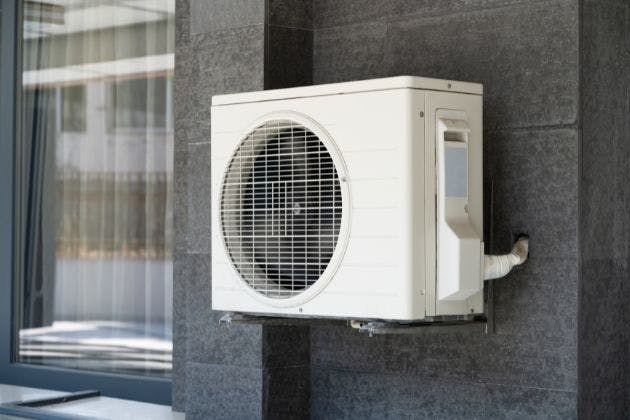
How heat pumps and gas boilers work in your home
A gas boiler burns fuel to create high-temperature water, usually running your radiators at 65–75°C. Rooms warm up quickly when the heating comes on, then cool down between heating periods.
An air source heat pump works differently. It takes low-level heat from the outside air and upgrades it, giving you warm water at a lower flow temperature, typically 35–50°C. To feel comfortable, your system needs to deliver gentle heat over longer periods rather than short blasts.
Because flow temperatures are lower, the whole system must be carefully matched to your home. This is where heat loss calculations matter. A proper survey will work out how much heat each room loses on a cold day so the heat pump, radiators and pipework can be sized to keep you comfortable in all weather.
Key suitability checks for Brackley properties
Before favouring a heat pump or gas boiler, it helps to look at how your current home performs. In Brackley and across Northamptonshire there is a mix of 1960s semis, stone cottages and newer estates, all with different needs.
Insulation levels: walls, loft and floor insulation, plus double glazing
Emitters: size and condition of radiators or underfloor heating
Space: room for a hot water cylinder and an outdoor unit if needed
Electrics: existing consumer unit and available capacity
Heating habits: regular schedules or irregular on/off use
A well insulated Brackley home that already holds heat well is usually an excellent candidate for an air source heat pump. Older, draughtier homes can still work, but often need upgrades before a heat pump will perform at its best.
Insulation, radiators and hot water storage
For a heat pump, good insulation is a big advantage. Cavity wall insulation, thick loft insulation and modern windows reduce heat loss so the system can run at lower flow temperatures and still keep you warm.
Radiator sizing also matters. Because the water is cooler with a heat pump, radiators often need to be larger, or additional panels added, to emit the same amount of heat. Homes with existing underfloor heating are usually well matched as they already work at lower temperatures.
Most air source heat pumps are paired with a hot water cylinder. If you currently have a combi boiler and no cylinder, you will need space for a modern, well-insulated cylinder, often in an airing cupboard, loft or utility area.
Outdoor unit, location and noise considerations
An air source heat pump has an outdoor unit, similar in size to a large air conditioning unit. This needs clear airflow, a solid base and suitable pipe routes into your home. For Brackley homes with compact gardens, careful positioning is important.
Modern units are quiet, but there is some sound when the system is running. A good installer will position it away from bedroom windows where possible, consider your neighbours and follow local noise guidance so it blends into daily life.
Heating patterns, lifestyle and comfort
Gas boilers suit on/off heating patterns, where you might come home, turn the heating on for a few hours, then switch it off again. They are responsive and can give fast hot water, especially in a combi form.
Heat pumps perform best with steady, longer heating periods at lower temperatures. If you work from home or prefer a consistently warm house, that pattern often aligns well with a heat pump approach. Smart controls can still give you flexibility for different zones and schedules.
Good candidate, but may not be ideal without upgrades
The table below gives a quick feel for suitability. A professional survey is always needed for a firm answer, but this can help you frame your thinking.
Heat pump suitability snapshot
Good candidate for an air source heat pump:
Well insulated home (or happy to improve insulation)
Decent sized radiators or existing underfloor heating
Space for a hot water cylinder and outdoor unit
Fairly regular heating patterns and preference for steady warmth
Strong interest in low carbon heating and future-proofing
May not be ideal for a heat pump without upgrades:
Poorly insulated, draughty property with thin loft insulation
Very small radiators that already struggle to heat rooms
No practical space for a cylinder or outdoor unit
Very occasional, short heating use with a preference for quick blasts of heat
Listed or complex properties where upgrades are restricted
In these cases, a modern gas boiler can still be an appropriate replacement while you gradually improve the building fabric ready for future low temperature heating.
Future-proofing, carbon and energy system changes
Many Brackley homeowners are looking ahead to lower carbon heating. Heat pumps run on electricity, which is getting greener over time as more renewable generation comes onto the grid, so they align well with long term climate goals.
A high efficiency gas boiler can still be part of a transition plan, especially if you are not ready for the fabric and system changes a heat pump needs. Improving insulation, fitting larger radiators where possible and planning in a cylinder can all help you keep future options open.
What a professional heating survey should include
To make an evidence-led decision, a proper survey is essential. For both air source heat pumps and gas boiler replacements, you should expect your heating specialist to carry out detailed checks rather than a quick glance.
A quality survey will usually cover:
Room-by-room heat loss assessment to size equipment and flow temperatures correctly
Radiator and emitter review to identify any upgrades or pipework changes needed
Hot water demand check so cylinder size and recovery rate match your household
Electrical supply assessment for heat pump suitability and any consumer unit work
Controls and zoning plan so you can run the system efficiently and comfortably
With this information, you can compare an air source heat pump design with a modern gas boiler option and see clearly which suits your Brackley home and lifestyle best.
Next steps for Brackley homeowners
If you are weighing up a heat pump against a gas boiler, the next step is a detailed, no-pressure survey of your property. That way, you are not guessing; you are working from real heat loss figures and tailored system designs.
Elements Heating Installations can survey your Brackley or wider Northamptonshire home, explain the findings in plain English and give you a side-by-side recommendation. You can read more about our Air Source Heat Pumps and our Boiler Replacement & Installation services, then book a visit when you are ready.
To arrange an evidence-led survey and talk through which option suits your home, contact Elements Heating Installations on 01280473772.