
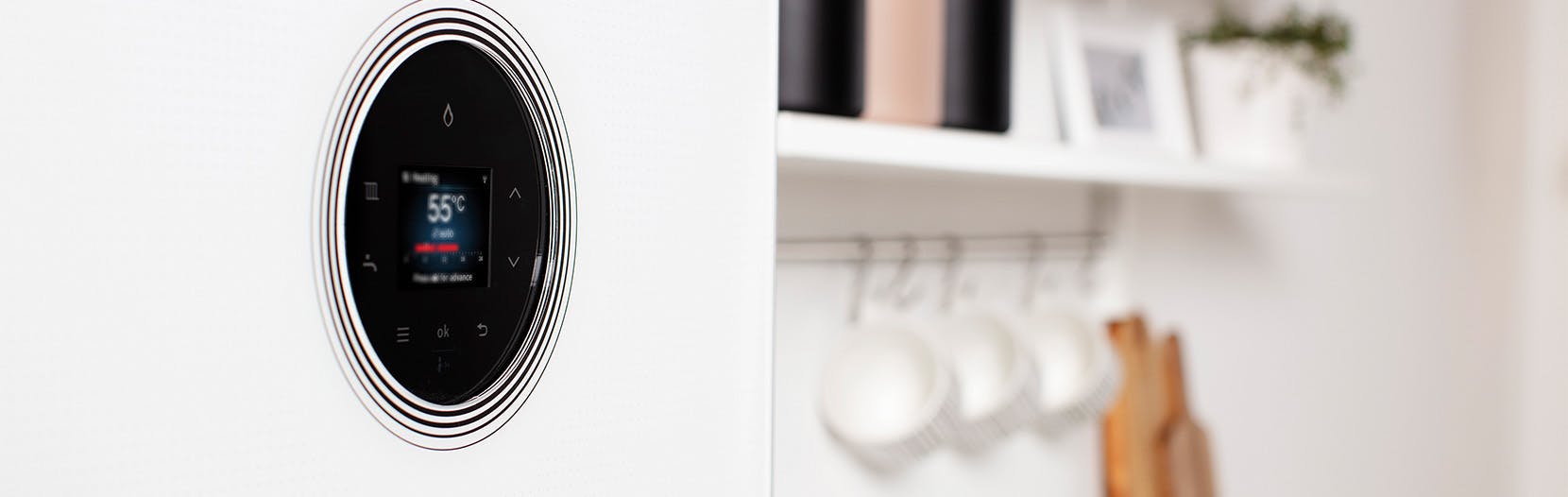
If some rooms in your home are roasting while others stay chilly, your radiators probably need balancing. Balancing your radiators ensures hot water flows evenly throughout your heating system, so every room warms up at the right rate. This not only creates a more comfortable home but also reduces unnecessary strain on your boiler, helping it run more efficiently.
As a result, you could see lower energy bills and fewer heating issues over time. Properly balanced radiators mean no more cold spots or overheating rooms—just consistent, even warmth throughout your home.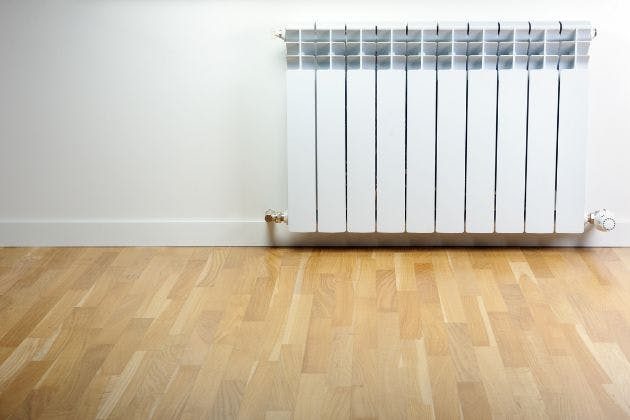
How radiator balancing actually works
Balancing radiators is all about controlling how fast hot water flows through each one. Radiators closest to the boiler naturally get more flow, so they heat faster and hotter than those further away.
By using the lockshield valves, you gently restrict flow to the radiators that heat too quickly and allow more flow to those that lag. The aim is for all radiators to warm up at a similar rate, with a steady temperature drop from flow to return pipe.
What you need before you start
You do not need specialist kit, but a little preparation makes the job much easier and safer. Gather your tools and plan a quiet hour or two when the heating can be off and on without disruption.
Two clip-on pipe thermometers or digital probes (for flow and return pipes)
Adjustable spanner or small spanner set for lockshield valve caps
Radiator bleed key and an old towel or cloth
Pen and paper or a simple checklist for recording valve adjustments
If your system has thermostatic radiator valves (TRVs), make sure they can be fully opened and are not stuck. If any valve looks corroded or seized, plan to stop and call a professional rather than forcing it.
Preparation steps: Set your system up correctly
Bleed radiators and check pressure
First, switch the heating off and let the system cool. Bleed every radiator, starting downstairs and working up, until water (not air) comes out. Keep a towel handy to catch drips.
After bleeding, check the boiler pressure gauge. On most sealed systems, you are aiming for around 1.0 to 1.5 bar when cold. If you are not sure how to top up safely, consult your boiler manual or get professional help.
Open valves and start from cold
Turn all TRVs or manual radiator valves fully open. On most TRVs, that is set to 5 or the maximum setting. Leave lockshield valves as they are for now.
Turn the heating on from cold and set the room thermostat to a normal comfortable level. Let the system run until all radiators are warm, then turn the heating off and allow everything to cool right down again. You will start the actual balancing from a cold system.
Step by step: how to balance radiators
1. Identify the order of your radiators
From cold, turn the heating back on and feel which radiators heat up first. These are usually closest to the boiler or on the shortest pipe runs. Note them down in order as they warm up.
The first radiators to heat will often need the most restriction on their lockshield valves, while those that heat last may need more flow.
2. Set an initial position for lockshield valves
Turn the heating off again and let the system cool. Remove the plastic cap from each lockshield valve to reveal the small square or slotted spindle underneath.
As a starting point, gently turn each lockshield clockwise until it just closes, then open it by about half a turn to one full turn. Work through the property in the same order you noted earlier.
3. Measure flow and return temperatures
Turn the heating on from cold once more. On the first radiator that warms up, clip one thermometer to the flow pipe (the hot pipe coming in) and the other to the return pipe (the cooler pipe going out).
Wait a few minutes until the temperatures stabilise. You are aiming for a temperature drop between flow and return of roughly 10 to 20 °C. Do not obsess over an exact number; consistency across radiators is more important than perfection.
4. Adjust the lockshield in small steps
If the temperature drop on a radiator is too small, say only 3 to 5 °C, the water is passing through too quickly. Gently close the lockshield a quarter turn and wait a few minutes to see the effect.
If the temperature drop is very large, or the radiator is slow to heat compared with others, open the lockshield a quarter turn and wait again. Record how many quarter turns you add or remove for each radiator so you can keep track of your settings.
5. Work through each radiator methodically
Repeat the temperature check and adjustment on every radiator in the system. Always make small changes and give the system time to settle between tweaks. Rushing this step is the quickest way to a frustrating outcome.
Once you have adjusted them all, let the heating run for 30 to 60 minutes. Walk through the home and check that each radiator heats at a similar rate and feels comfortably warm from top to bottom, with no rooms overheating or lagging far behind.
Safety tips while balancing radiators
Heating systems involve hot water and metal surfaces, so take simple precautions. Use a cloth or glove if you need to steady your hand on a hot pipe while reading the thermometers.
Never force a lockshield or TRV. If it will not turn with gentle pressure, stop. Forcing it can cause leaks or damage that will cost more to fix than a professional visit. If you notice any weeping joints or sudden leaks while adjusting, switch the heating off and call an engineer.
Common problems and how to respond
One radiator never seems to warm
First, check that both valves are open and that the lockshield has not been accidentally closed. Make sure the radiator is properly bled and that the boiler pressure is within range.
If the pipes in and out stay cold while others are hot, there may be a blockage or sludge build-up. In older systems in Brackley and across Northamptonshire, this is common and is best assessed by a heating professional.
Noisy pipework or kettling sounds
If pipes bang or whistle after you have made changes, some valves may be too restricted, and the water velocity has increased. Try opening the affected lockshields slightly and see if the noise reduces after a few minutes.
Persistent gurgling or kettling can indicate air in the system or limescale and sludge. Bleeding again may help, but ongoing noise should be checked by an engineer.
Boiler switching on and off too often
Short cycling, where the boiler fires on and off frequently, can occur if the overall flow is too restricted. If you have aggressively closed lockshields to chase perfect temperature drops, open them a little and see if the boiler behaves more steadily.
If the issue persists, the fault may lie with the boiler controls, pump settings, or system design rather than with simple balancing.
Homes with underfloor heating zones
If you have both radiators and underfloor heating, the system is usually more complex, with blending valves, manifolds and multiple pumps. Balancing radiators in isolation can affect how well the underfloor circuits perform.
In these mixed systems, it is sensible to do only very light adjustments yourself and arrange a professional central heating optimisation, especially if individual rooms do not respond as expected.
When to bring in a professional
If your system is older, radiators are sludged, or several valves are seized or corroded, professional help is the quickest and safest way forward. The same applies if you have tried balancing but still have stubborn cold rooms or a misbehaving boiler.
For tailored central heating optimisation in Brackley and across Northamptonshire, get in touch with Elements Heating Installations on 01280473772. An experienced engineer can properly balance your radiators, check your boiler and controls, and fine tune everything from central heating to boiler repairs & servicing and underfloor heating, so your home heats quickly, evenly and efficiently.