

Good air conditioning isn’t just about choosing the right brand or size. Where your indoor and outdoor units are installed plays a crucial role in how comfortable your home feels, how much noise the system makes, and how efficiently it uses energy. Proper placement also affects the overall look, ensuring the installation is neat and unobtrusive. Getting the positioning right can save you money on running costs and avoid common issues like poor airflow, excessive noise, or awkward condensate drainage.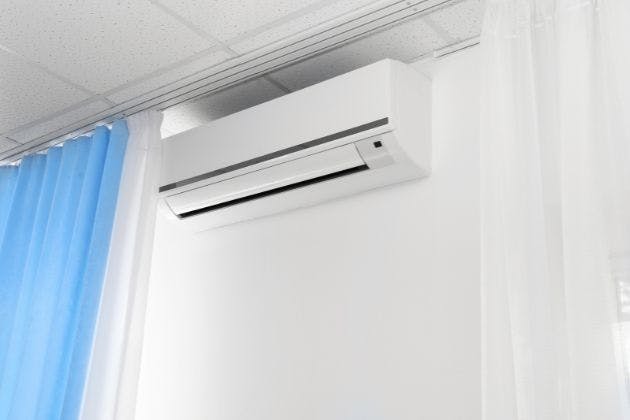
Indoor air conditioning unit placement essentials
The indoor unit needs to deliver cool or warm air evenly across the room without blowing directly in your face. In most homes, this means mounting the unit high on a wall, so cool air can circulate naturally and not be blocked by furniture.
Avoid placing the unit above wardrobes, tall cupboards or shelves that can obstruct airflow. If the air stream hits an obstacle straight away, you will get uneven temperatures and the system may work harder than it needs to.
Keep the unit high on a clear wall for best airflow
Avoid blowing directly onto beds, sofas and desks
Leave room at the sides and above for servicing and filters
Condensate drain routing and water safety
Every indoor unit removes moisture from the air, which collects as condensate and must be drained away safely. Ideally, this should run by gravity to an outside drain or soakaway using a gentle, continuous fall.
Long, complicated drain runs or multiple bends increase the risk of blockages and leaks. In some cases, a small condensate pump might be needed, but this can add noise and maintenance, so it is best kept as a last resort.
Noise and comfort in bedrooms and living areas
Modern split systems are very quiet, but placement still matters, especially in bedrooms. Try to position the unit so that the main airflow passes over the bed rather than directly at it, keeping you comfortable without a constant draught.
With shared walls, think about what is on the other side. Mounting a bedroom unit on a wall backing onto another bedroom or quiet space may transmit a little vibration, so your installer may suggest anti-vibration mounts or an alternative wall if possible.
Aesthetics and cable routes
Your indoor unit will be visible every day, so it should sit naturally in the room. Above a doorway, between windows or centred on a wall can all look tidy, as long as airflow is not compromised.
Behind the scenes, the copper pipes, power cable and drain need to reach the outdoor unit. A good installer will plan routes that minimise exposed trunking, avoid cutting excessive holes, and keep everything neat from both inside and outside the property.
Outdoor unit location and clearances
The outdoor unit (condenser) must move a lot of air through its coil. It needs space around it so it can breathe properly and reject heat efficiently, especially in hot weather.
Most manufacturers specify minimum clearances, often something like 300 mm at the sides and 600 mm in front, but your installer may allow more room where possible for better airflow and servicing.
Minimising noise and vibration outside
Outdoor units are much quieter than they used to be, but they still produce some fan and compressor noise. Mounting them on proper brackets with anti-vibration pads, or on a level slab with rubber feet, reduces vibration transfer into walls and floors.
Think about neighbours’ windows, patios and seating areas. Moving the unit slightly, or angling it away from a boundary, can make it far less noticeable and more considerate in a typical Northamptonshire housing estate.
Avoiding heat recirculation and blocked airflow
The unit blows hot air out in cooling mode, so it must not be boxed in. Tight alcoves, sheds or high fences very close to the grille can cause the hot air to recirculate, which makes the system inefficient and can shorten component life.
Ideally, the unit should have a clear path to the open air. If you want to screen it for appearance, use louvred panels or decorative covers designed for AC units that allow plenty of free airflow.
Access for servicing and repairs
Annual servicing is important, and engineers will need to reach valves, electrics and coil surfaces. Units placed too high, too close to fences, or over planting beds can be awkward to work on and may add time and cost for future maintenance.
During the survey, your installer should show you how they plan to access the unit safely and how any wall brackets or ground frames will be fixed.
Typical locations in Brackley, Bicester and Northamptonshire homes
Local housing stock around Brackley, Bicester and Northamptonshire often includes new builds, loft conversions and garden offices, each with its own challenges. In new builds with limited wall space and lots of glazing, installers often use shorter internal pipe runs and may place the outdoor unit on a side elevation to keep the front façade uncluttered.
Loft conversions usually need careful thought around sloping ceilings and limited vertical walls. Ceiling-mounted cassette units or low-wall units under the eaves can work well, as long as there is enough space for ducting, drainage and insulation in the voids.
For garden offices, the main decision is usually whether to mount the outdoor unit on the back of the building or nearby on the ground. You will want to balance a neat look with protection from damage and easy access for future servicing.
At your survey, discuss with the engineer:
Which rooms you want to prioritise for cooling and heating
Where beds, desks and seating will sit in each space
Acceptable outdoor unit positions and any boundary concerns
How pipes and cables will be routed, inside and out
Planning permission and local rules
Most standard domestic air conditioning installations fall under permitted development and do not need full planning permission, provided the units are modest in size and located sensitively. However, there are exceptions where extra care is needed.
If your home is a listed building, within a conservation area, or in a block of flats with shared external walls, you should check with your local planning authority before proceeding. Your installer can usually give initial guidance, but only the council can give a formal view, so it is wise to confirm in writing where there is any doubt.
Maintenance, safety and professional installation
To keep your system running efficiently, filters should be cleaned regularly and outdoor units kept clear of leaves and debris. Light cleaning of accessible surfaces is usually straightforward for homeowners and makes a real difference to performance.
Anything involving refrigerant pipework, F-Gas, or the sealed system must be handled only by qualified, F-Gas-certified engineers. Incorrect handling is unsafe, can damage the environment and may void your warranty.
Book an air conditioning survey for the right layout
The best way to get unit placement right is to arrange a proper survey, where you can walk through each room, talk about how you use the space and agree positions that balance comfort, appearance and practicality. A good installer will explain options, show you sample layouts and be honest about what will work well in your property.
If you are in Brackley, Bicester or the wider Northamptonshire area and are considering air conditioning, you can arrange a friendly, no-obligation survey with Elements Heating Installations. Visit the air conditioning installation page to learn more, or see our new Bicester location page for local support, then call 01280473772 to discuss your home and book a convenient appointment.
EndFragment