
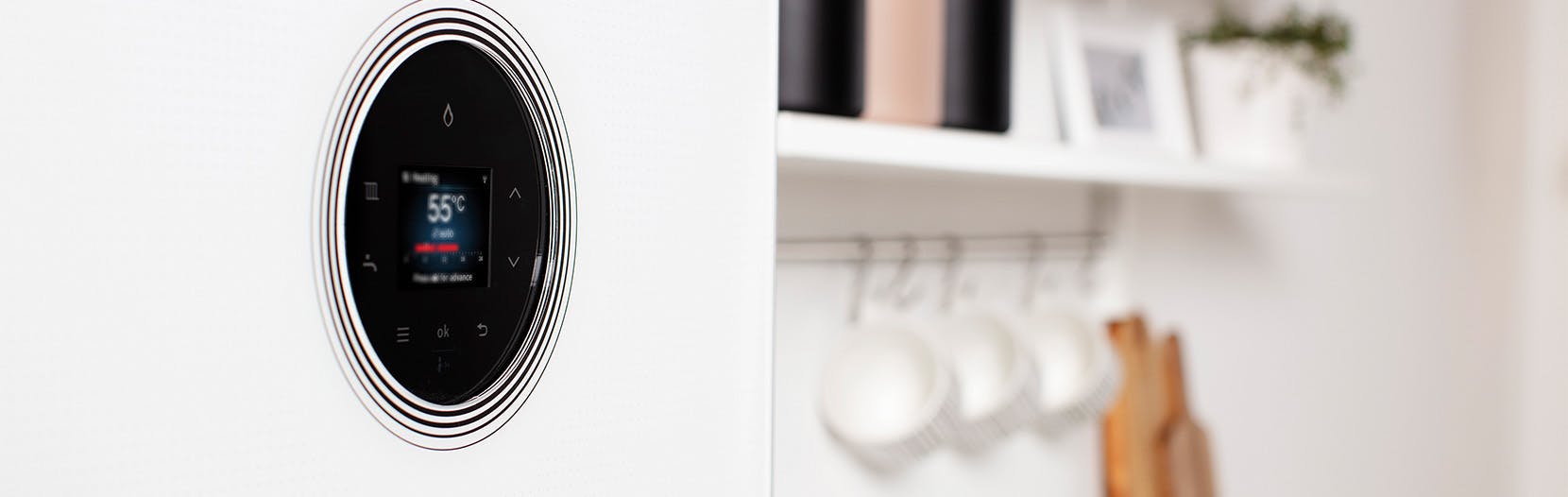
Choosing the right size boiler is one of the most important decisions when replacing your heating system. If your boiler is too small, it won’t provide enough heat or hot water, leaving your home cold and your family uncomfortable. On the other hand, an oversized boiler will cycle on and off frequently, wasting energy, increasing your bills, and causing unnecessary wear and tear. Getting the size right ensures efficient heating, reliable hot water, and lower running costs, giving you peace of mind all year round.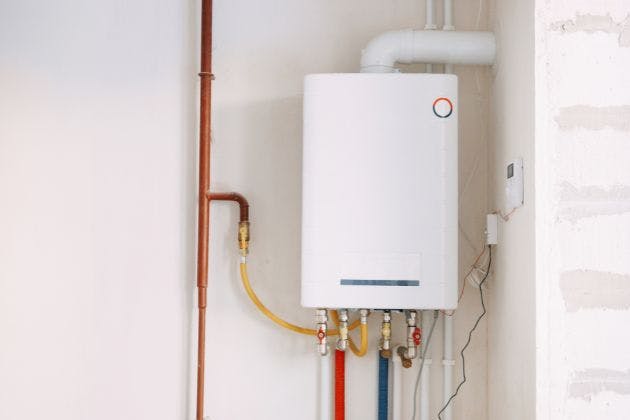
What “boiler size” really means
When people talk about boiler size, they usually mean the boiler’s output in kilowatts (kW), not how big it looks on the wall. kW is a measure of how much heating and hot water power the boiler can deliver.
If the output is too low, your radiators and hot water may never feel quite hot enough at busy times. If it is too high, the boiler can keep cycling on and off, which can waste energy and wear parts more quickly.
The right size boiler should comfortably meet your home’s peak demand without being dramatically oversized. This balance is what a good installer will calculate during a proper survey.
Problems with an oversized or undersized boiler
It can be tempting to think “bigger is better”, but with boilers, that is rarely true. Oversizing can be nearly as unhelpful as going too small.
An undersized boiler may lead to radiators that never get fully hot on cold days or showers that cool down when more than one tap is used. This is particularly noticeable in larger homes or where there are several bathrooms.
An oversized boiler can reach the target temperature too quickly, then shut down and restart frequently. This short cycling can reduce efficiency, create temperature swings and put unnecessary strain on components over time.
Simple checklist to prepare before speaking to an installer
You do not need to work out an exact kW figure yourself, but having some key details ready will help your installer recommend the right boiler size.
Number of bathrooms and showers in regular use
How many hot taps or showers may run at the same time
Total radiator count and any cold rooms you struggle to heat
Property type and size (flat, terrace, semi, detached)
Age of the property and quality of insulation and windows
Whether you prefer a combi or a system/regular boiler setup
Sharing some recent issues, such as lukewarm radiators or hot water running out, will also help your installer judge if the existing boiler was correctly sized.
Bathrooms, hot water demand and boiler type
Your hot water use is one of the biggest factors in boiler sizing, especially if you are considering a combi boiler. A combi heats water directly from the mains as you use it, so the boiler must be powerful enough to give a strong, consistent flow.
Homes with one bathroom and one shower often suit a combi well, as long as the mains water pressure and flow rate are good. Once you move into multiple bathrooms, especially if you may use showers at the same time, a system boiler with a hot water cylinder can be a better fit.
With a cylinder, the boiler can heat stored water in advance, so you are less limited by instant output and more by the cylinder size and recharge time. Your installer will look at both aspects when advising on kW rating.
Radiators, heat loss and property type
For space heating, the boiler’s job is to replace heat lost through walls, roof, windows and ventilation. A well-insulated new-build flat will hold heat much better than an older detached house with single glazing.
Professionals use a heat loss calculation that considers room sizes, construction type, insulation level and window area. As a homeowner, you can provide useful clues: how quickly rooms cool down, draughts you notice, and any extensions or conservatories.
The number of radiators also gives a rough idea of the heating load. For example, a small two-bed flat may have 5 to 7 radiators, whereas a four-bed detached house might have 12 to 18 or more. More radiators usually mean a higher kW requirement, but insulation quality can shift things either way.
Typical home scenarios for guidance
Every property is different, so the following examples are guidance only rather than firm rules. A survey and proper heat loss calculation should always confirm the final boiler size.
In a modern, well-insulated two-bed flat with one bathroom and one shower, a modestly sized combi boiler often works well. The main considerations are reliable hot water for the shower and comfortable radiator heating on colder days.
In a three-bed semi-detached house with one bathroom and perhaps a cloakroom toilet, you might still be suitable for a combi, depending on how many hot outlets you want to run at once. If the home has been extended, that extra space will also be factored into the kW output.
In a larger four-bed detached house with two or more bathrooms and the likelihood of multiple showers or baths in the morning, a system boiler with a cylinder is often a better approach. Here, the installer will size the boiler to heat both the cylinder and the radiators efficiently at peak times.
Combi vs system: what it means for boiler size
Combi boilers usually have two different output figures: one for central heating and a higher one for hot water. The hot water figure is often the one that drives the choice in smaller homes, as people want good flow rates at the taps.
System and regular boilers are sized more around the property’s heat loss and the size of the hot water cylinder. They can allow for lower heating outputs that match the true needs of the house, especially where there is good insulation.
Your installer should check your mains water pressure and flow before recommending a combi. If the cold mains cannot deliver enough water, a more powerful combi will not fix the issue, and a stored hot water solution may suit you better.
Controls, system cleanliness and overall performance
Even the best-sized boiler will not perform properly if the rest of the system is struggling. Modern controls make a big difference to comfort and running costs.
Smart thermostats, programmable controls and individual thermostatic radiator valves help match heat output to how you actually use each room. Weather-compensating controls can adjust boiler output based on outdoor temperature, which supports better efficiency.
System cleanliness is just as important. Sludge and debris in radiators and pipework can restrict flow, making it appear that the boiler is undersized when the real issue is poor circulation. Powerflushing or cleansing and adding inhibitor can restore performance, and filters help keep everything clean for the long term.
How a proper site survey helps get boiler size right
A good installer will not guess your boiler size from a quick phone call. A site survey allows them to look at your existing system, measure or assess key rooms, and understand how your household actually uses hot water and heating.
They may count radiators, note property age and construction, check loft and wall insulation where possible, and test your mains water performance. From there, they can carry out or approximate a heat loss calculation to match the boiler output to the home.
This approach avoids the common trap of simply replacing like-for-like, which may have been oversized or undersized in the first place. It also creates an opportunity to improve controls, system layout and comfort while the boiler is being changed.
Next steps: speak to a heating specialist
Working out what size boiler you need does not have to be a guessing game. By thinking about your bathrooms, hot water habits, radiators, property type and insulation, you will be well prepared for a detailed discussion with an expert.
If you are planning a new boiler and want a professional heat loss and suitability assessment, contact Elements Heating Installations on 01280473772. You can read more on their boiler installation service page, or explore support in your area via the Milton Keynes and Northampton location pages before booking your home survey.